Why Italy Still Feels Like the Most Romantic Place in the World to Get Married
There is a particular kind of silence that exists just before an Italian wedding ceremony begins.
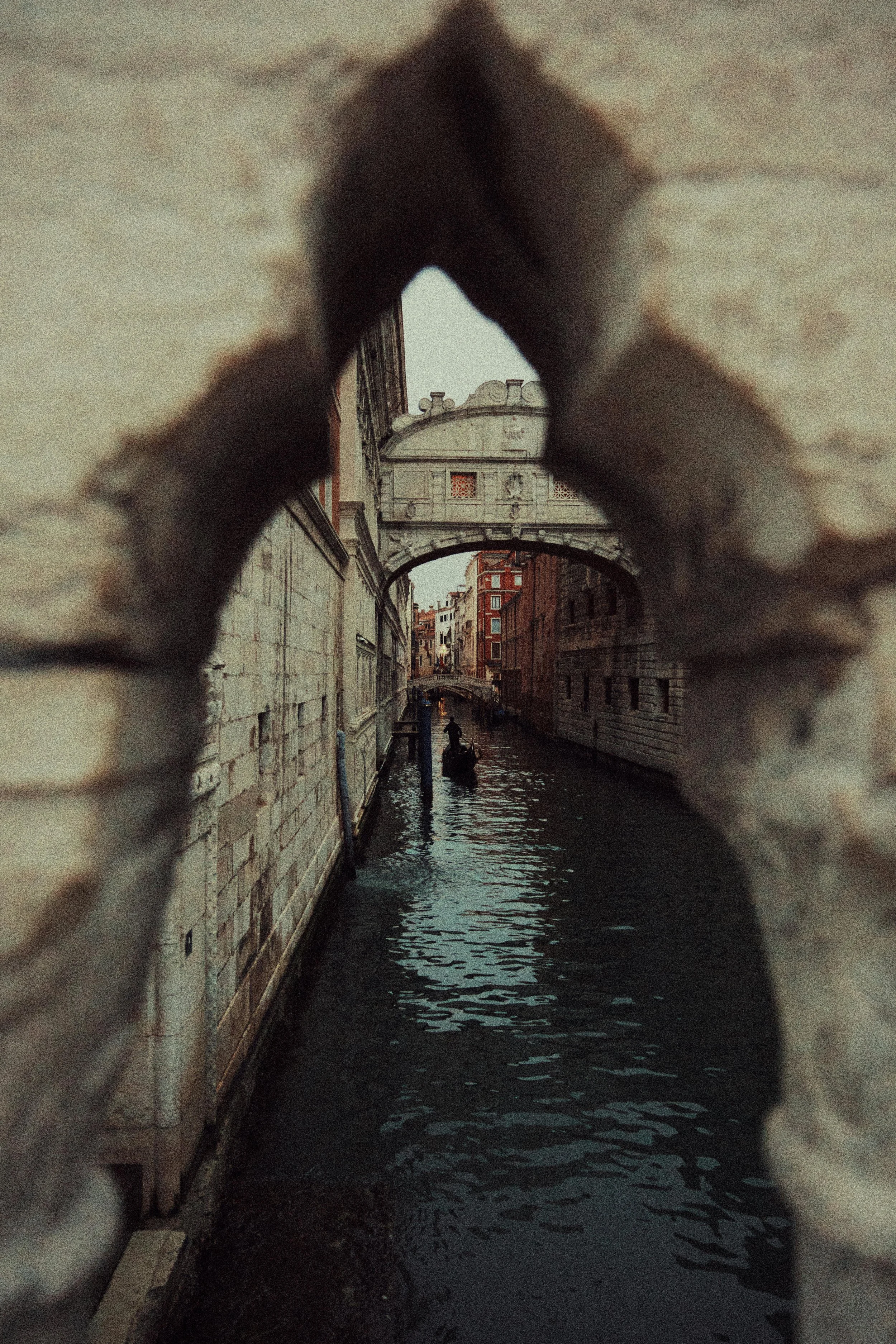
Venice canals 2026
Not true silence, exactly. More a soft suspension of reality.
A church bell in the distance. Cicadas sawing away in the heat. Someone’s grandmother crying quietly before anything has even happened. Linen lifting in the breeze. Guests blinking into late afternoon light somewhere between prosecco and transcendence.
It is difficult to explain to people who have never attended a destination wedding in Italy, but the atmosphere alters everyone slightly. The country seems to give people permission to become more emotionally available versions of themselves.
Perhaps this is why so many international couples continue choosing Italy for their weddings in 2026.
Not simply because it is beautiful — though, unfairly, almost every corner of it is — but because Italy understands romance in a way many modern places no longer do.
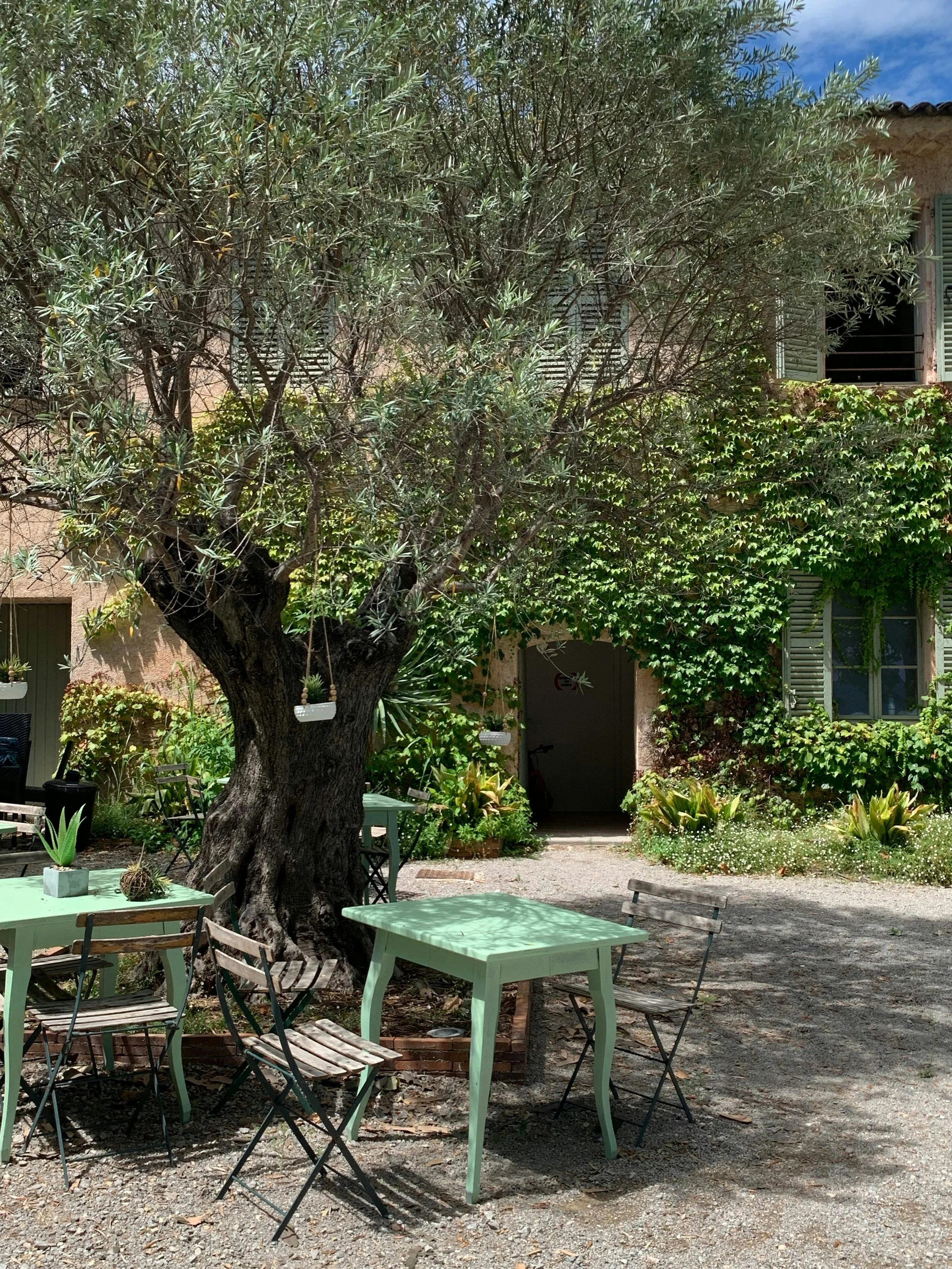
Why International Couples Are Choosing Italy for Destination Weddings
American and British couples are increasingly moving away from highly choreographed weddings in favour of ceremonies that feel intimate, emotional and deeply personal.
Italy offers the ideal setting for this shift.
A symbolic wedding ceremony in Tuscany feels fundamentally different from a hotel ballroom in London or New York. Time stretches here. Conversations linger. Dinner becomes an event in itself. Even the light appears to collaborate.
From Lake Como villas to masserie in Puglia, from Venetian palazzos to hidden countryside venues in Le Marche, couples are searching for places that feel cinematic without feeling artificial.
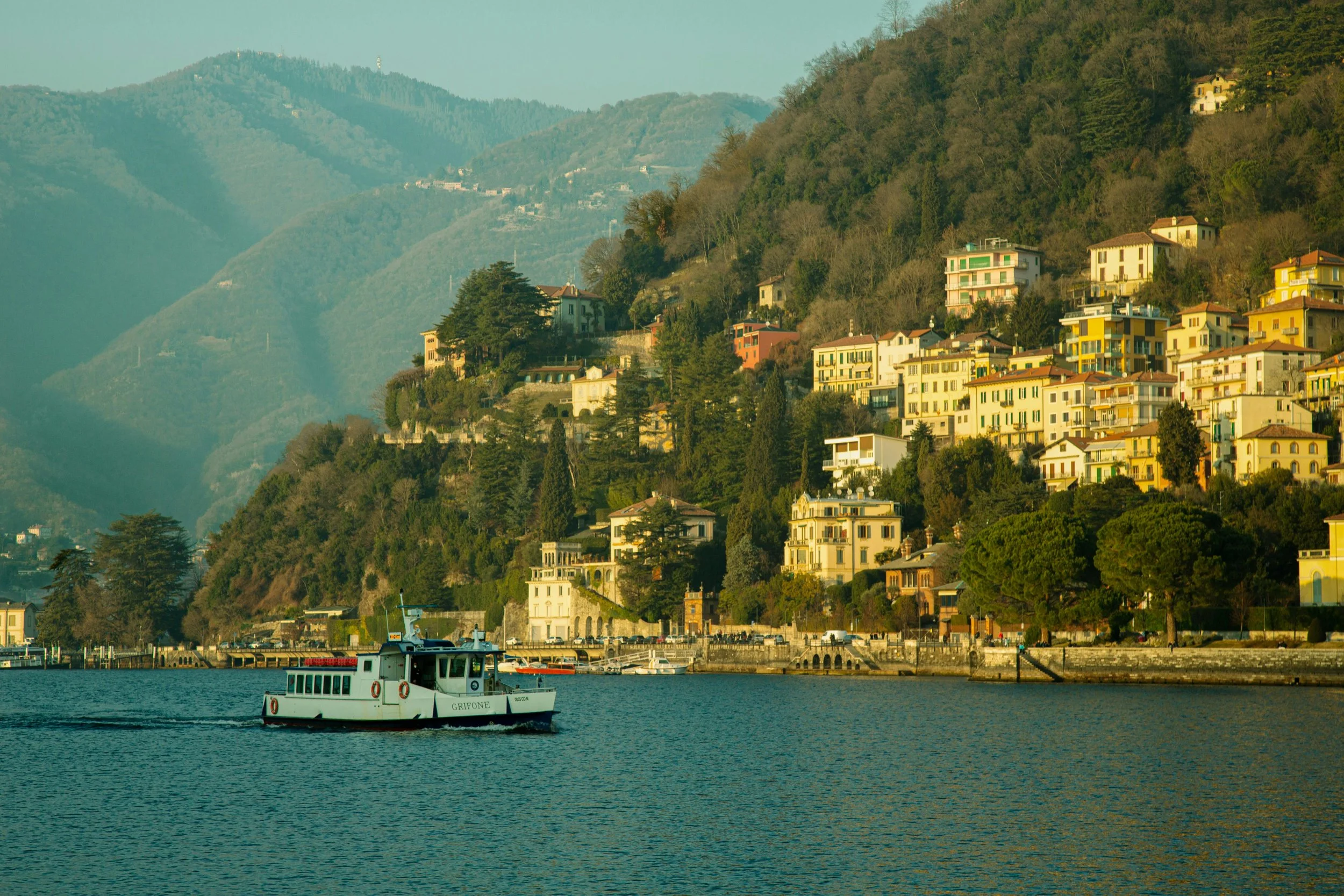
And Italy, somehow, still delivers that effortlessly.
The Rise of the Symbolic Wedding Ceremony in Italy
One of the biggest changes in destination weddings over the past few years has been the growing popularity of symbolic ceremonies.
For many couples, the legal paperwork now happens quietly at home. The real wedding — emotionally speaking — happens in Italy.
This allows couples far greater freedom:
personalised vows
multilingual ceremonies
non-religious celebrations
family rituals
storytelling
music chosen for meaning rather than tradition
The result is something guests actually remember.
Not a formula.
Not a performance.
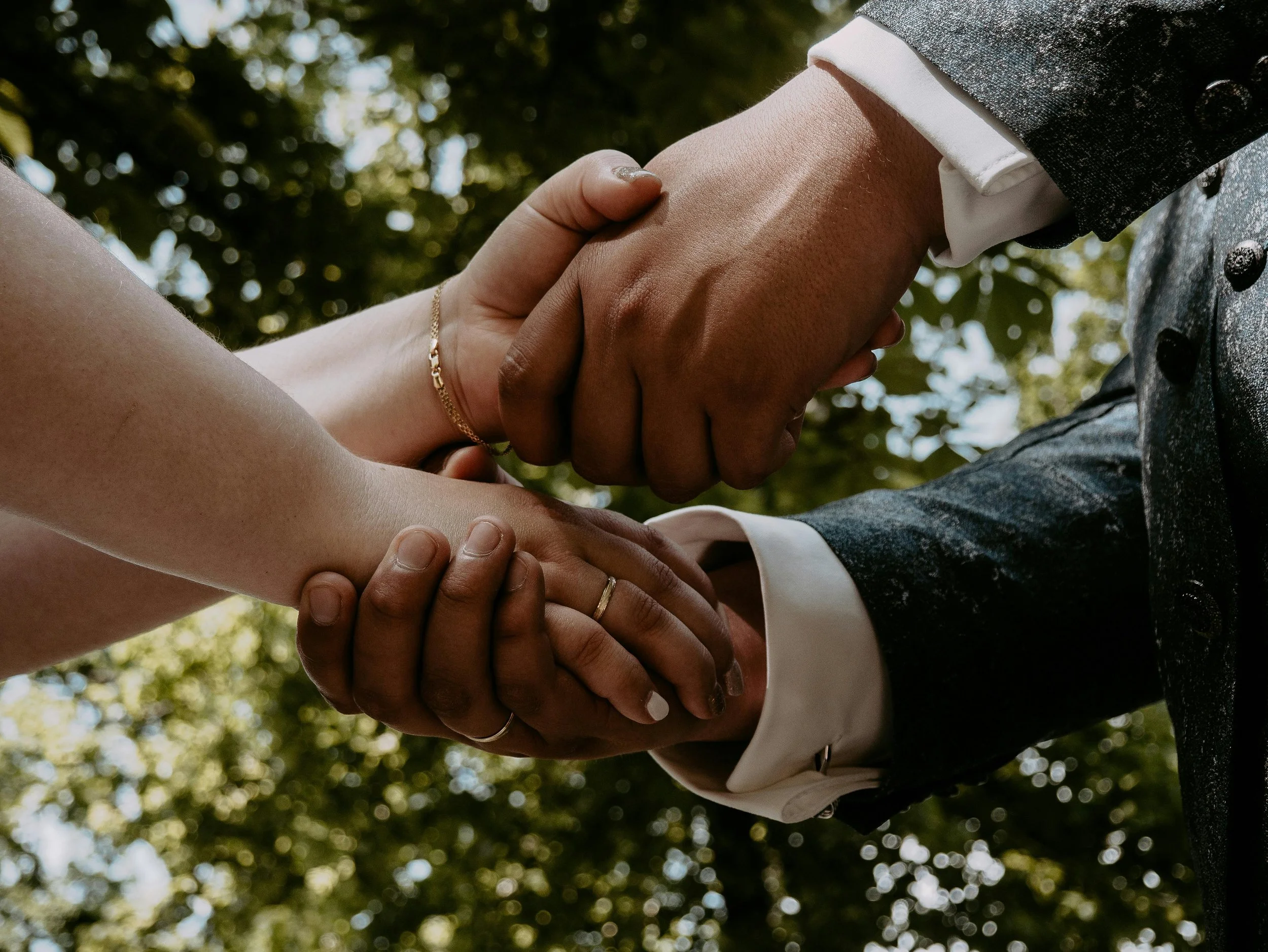
A ceremony that sounds recognisably like the couple themselves.
And this matters more than ever.
Weddings Are Becoming Smaller — and More Emotional
The era of the enormous, impersonal wedding appears to be softening.
In its place: smaller gatherings, longer weekends, shared meals, handwritten vows and ceremonies where people laugh unexpectedly and cry without embarrassment.
Italy is uniquely suited to this kind of wedding.
There is already intimacy built into the landscape. Tiny medieval towns. Long tables under olive trees. Families running boutique venues for generations. Entire evenings unfolding outdoors beneath strings of lights.
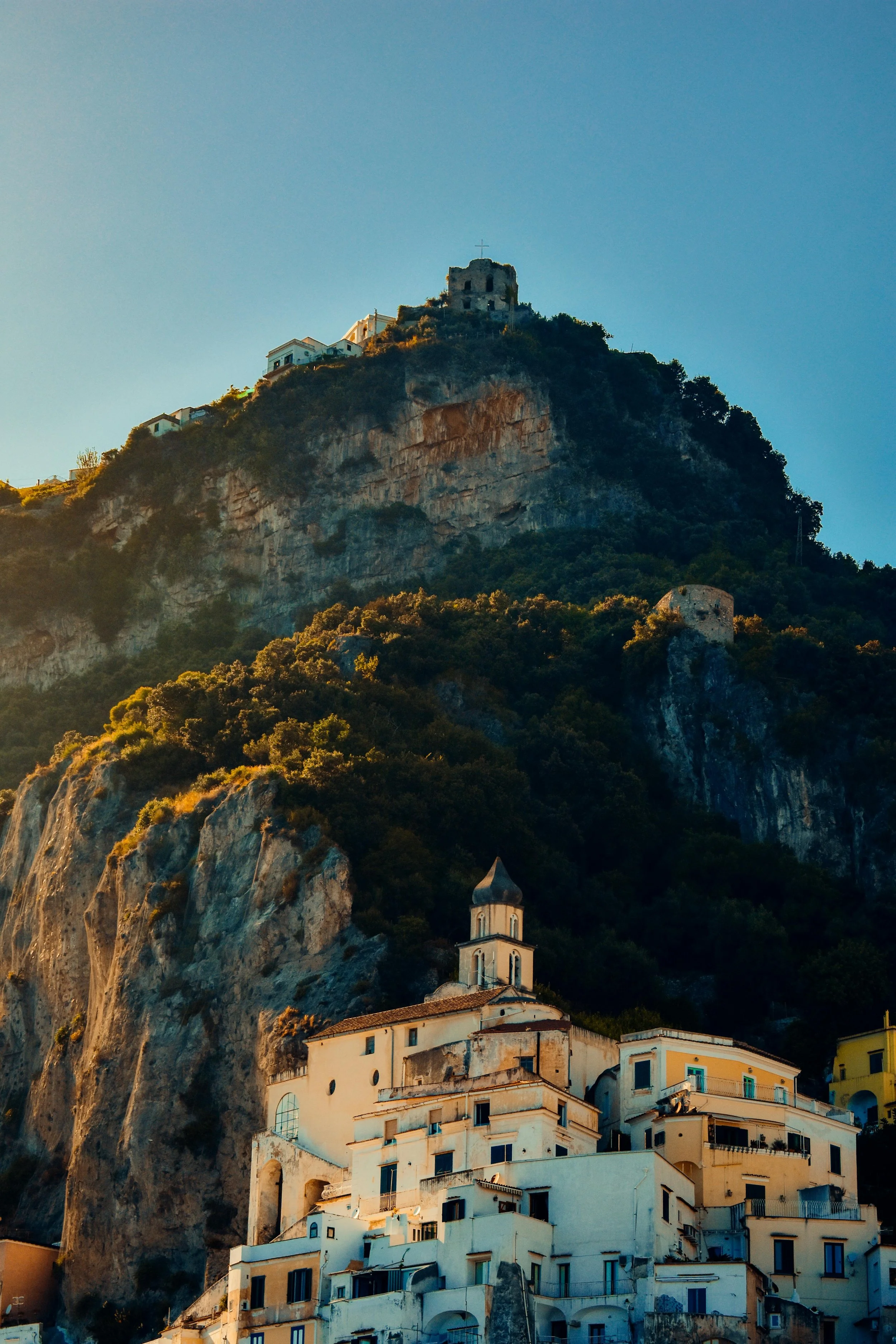
The country specialises in atmosphere without trying too hard.
Which, in many ways, is the essence of romance itself.
What Couples Really Want From a Wedding Celebrant
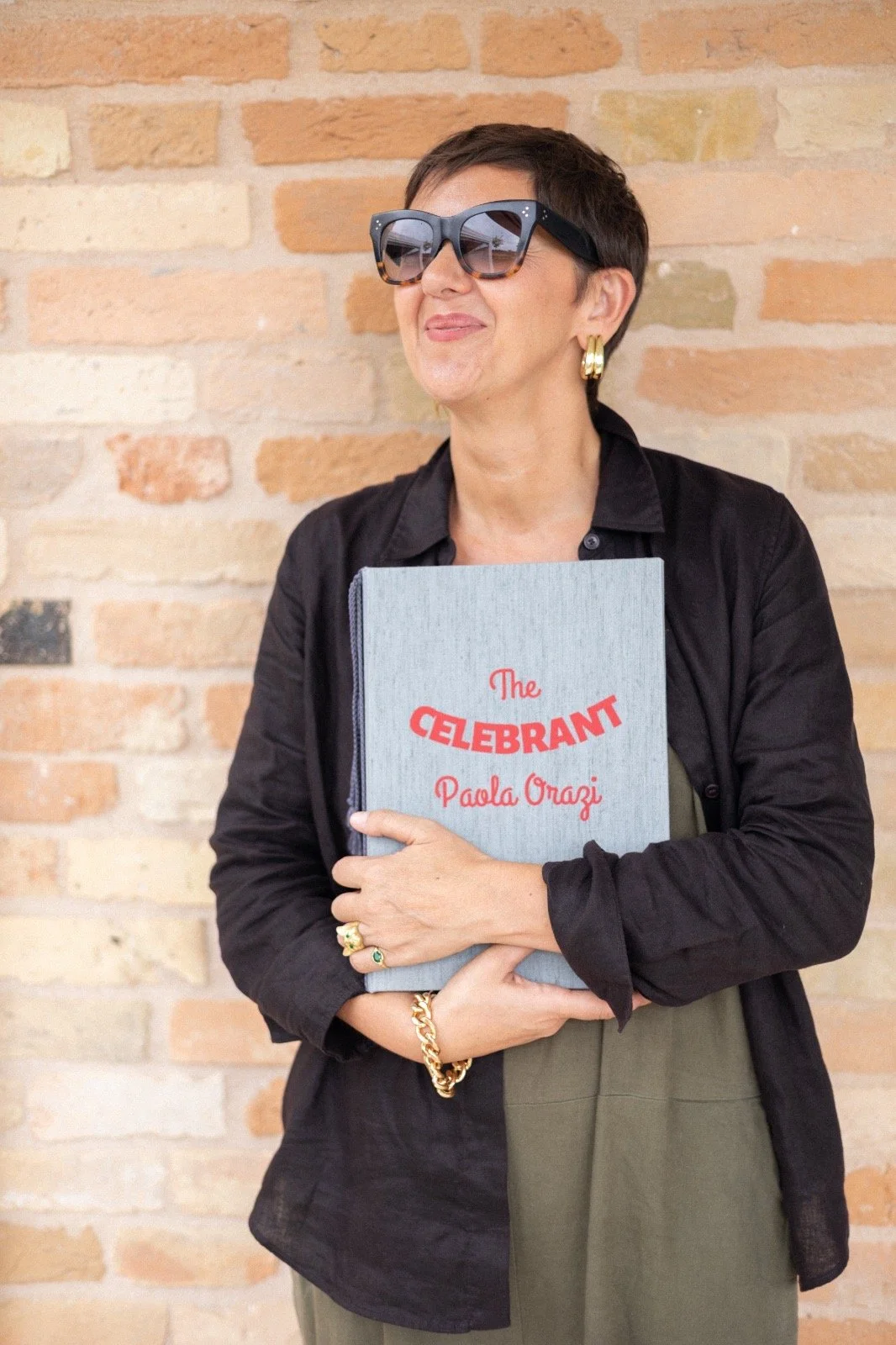
The role of the wedding celebrant has also changed significantly.
Couples no longer want someone simply to conduct a ceremony. They want someone capable of creating emotional texture — someone who can balance elegance with warmth, sincerity with lightness.
Particularly for destination weddings in Italy, international couples often look for an English-speaking celebrant who understands both the emotional expectations of foreign guests and the natural rhythm of Italian weddings.
Because the best ceremonies never feel scripted.
They feel lived-in.
Relaxed.
Human.
A good celebrant helps guests feel included, but more importantly, helps couples feel present enough to remember what is actually happening to them.
Which sounds obvious, until you realise how many weddings people experience in a blur.
Italy Sells a Feeling, Not Just a Location
This may ultimately be the secret behind Italy’s enduring hold over the wedding world.
People do not come only for the scenery.
They come for the fantasy of a more connected life:
where meals last three hours,
where beauty is considered essential rather than decorative,
where emotion is not something to apologise for.
And weddings — at their best — are really about permission.
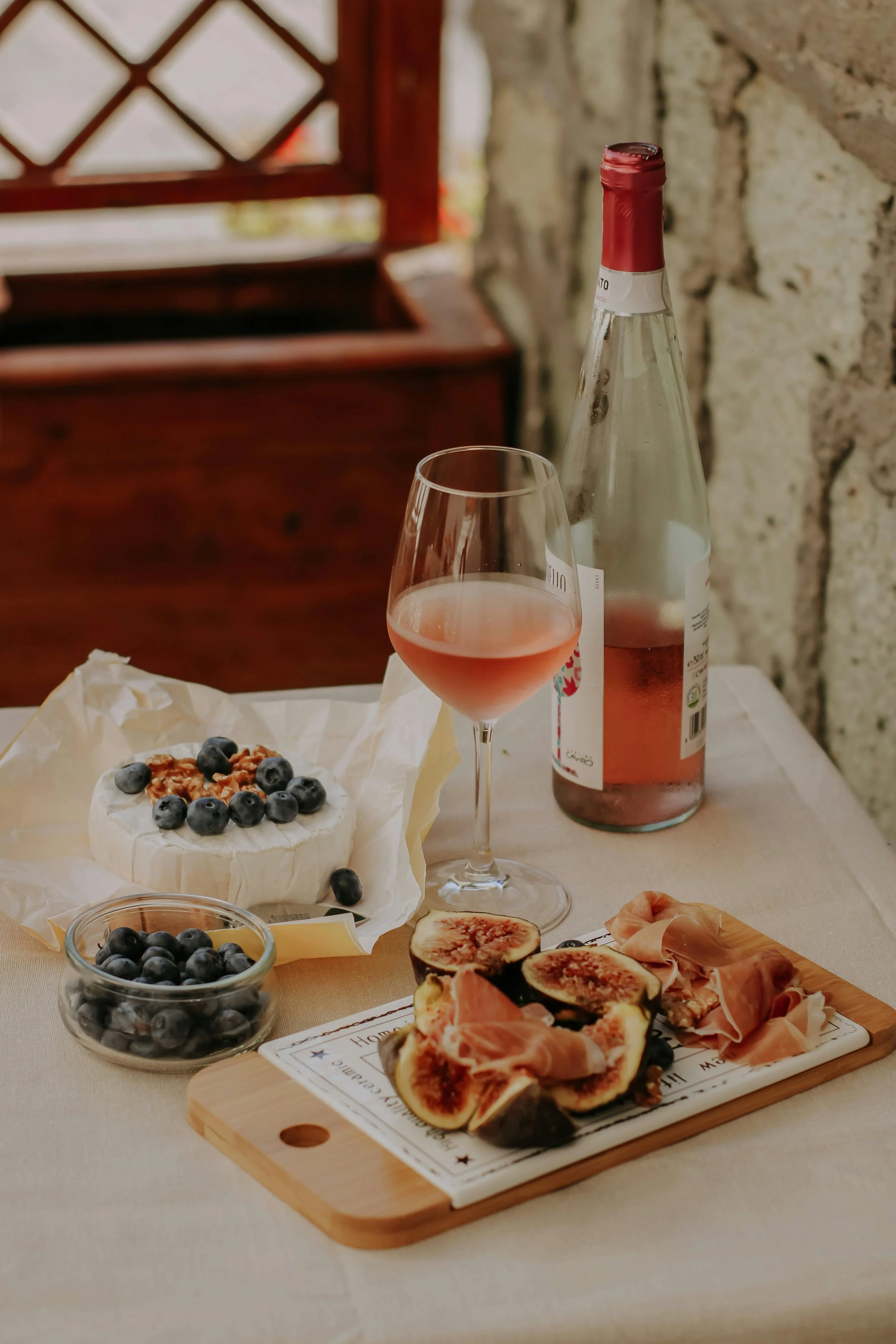
Permission to pause.
Permission to feel things fully.
Permission to gather everyone you love in one place and say: this matters.
Italy simply happens to provide an exceptionally beautiful backdrop for doing exactly that.